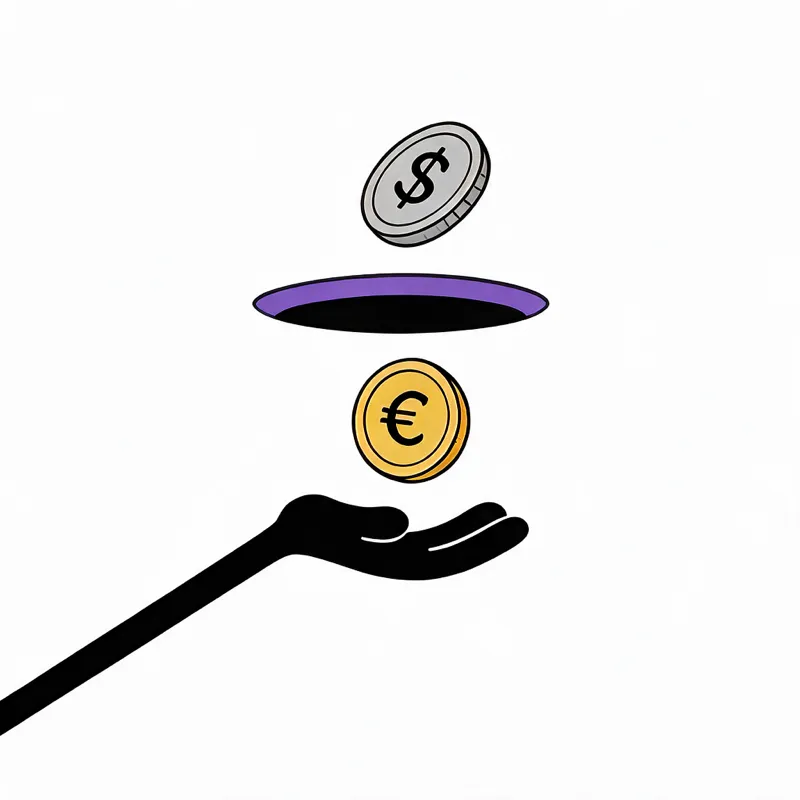
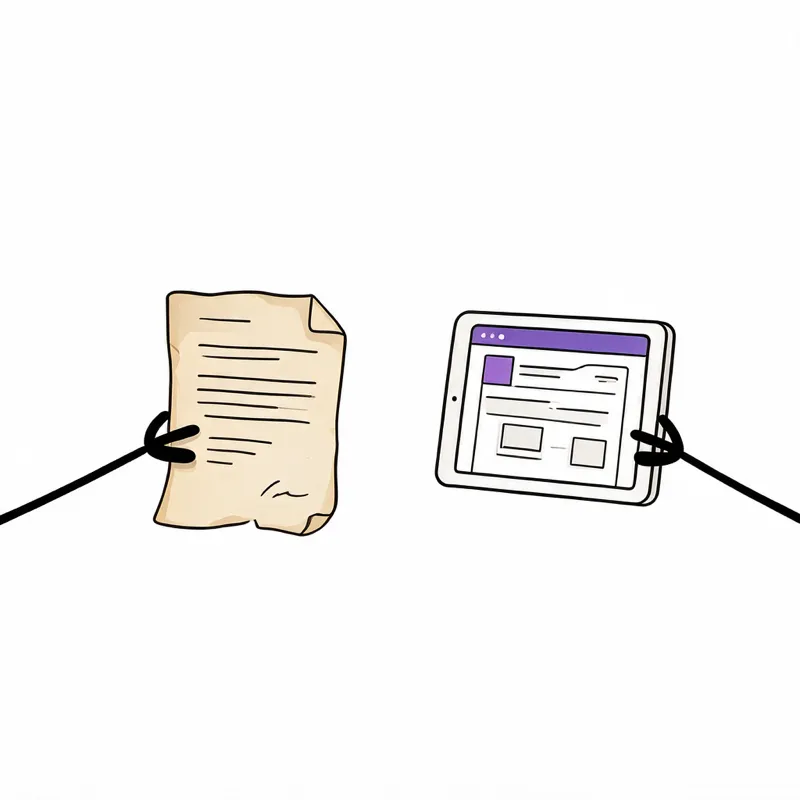
Celeris puts the payment and the paperwork on the same rails. Your counterparties keep their banks, their currencies, their way of working. What disappears is the waiting, the fees stacked at every hop and the BoL sitting in a courier bag.
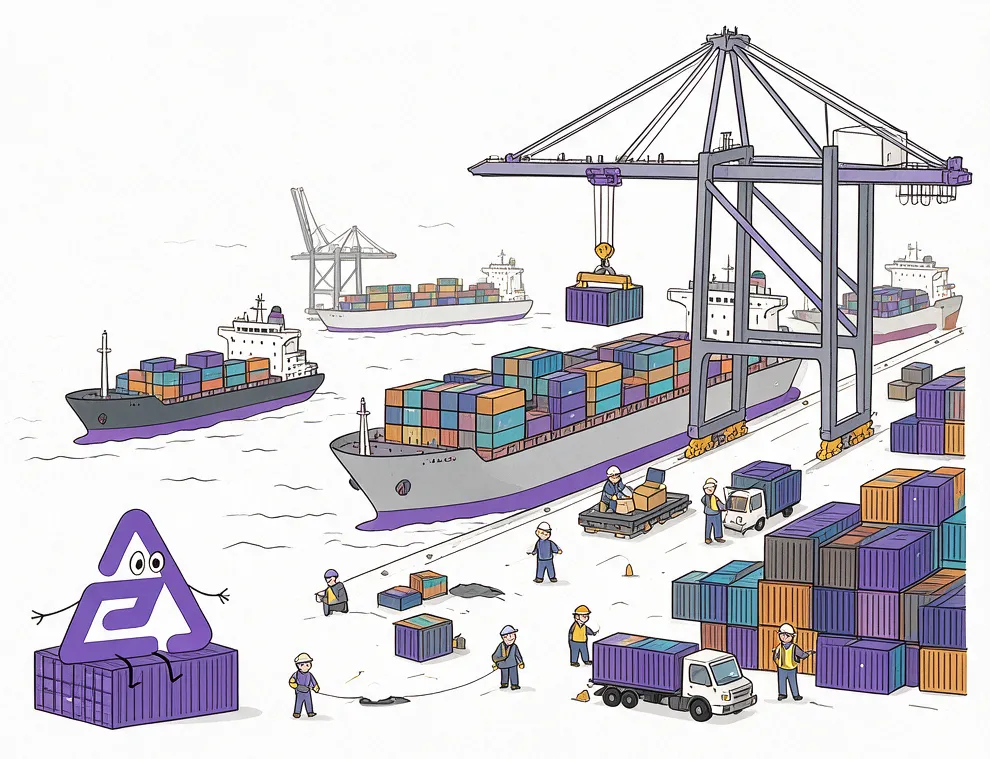
A cross-border deal still leans on correspondent banks and paper documents that physically travel the globe. Every hop adds cost, delay and risk.
SWIFT messages pass through a chain of intermediary banks, each with cut-off times and its own fee.
Fees, intermediary charges and a marked-up exchange rate stack up at every step.
When the paper bill of lading is stuck in transit, cargo sits at port racking up demurrage and detention fees.
Every Celeris transaction runs the same guided path on a single deal screen.
Every open deal, its stage, its exposure and the signature it waits on. Live on one screen.
The bill of lading is title to the goods. On paper it's couriered across the world, meaning it can be late, lost or forged. Celeris issues it as an MLETR-compliant electronic bill of lading: title transfers in seconds and can't be lost in the post.
Recognised under the UNCITRAL Model Law on Electronic Transferable Records as the legal equivalent of the paper original.
Issued on an eBL system approved by the International Group of P&I Clubs, so standard cargo insurance holds.
Celeris eBLs are accepted at customs across every corridor we service.
In an open trade, someone always goes first, bearing most of the risk. Celeris removes that. Funds are committed to escrow up front and released only when trade conditions are verifiably met.
The money is already locked before goods leave the port, no chasing payment after delivery.
Funds release only against a verified eBL and met conditions, not on a promise.
Escrow is controlled by a trustless, non-custodial smart contract visible to both, owned by neither.
Thirty minutes with the team, walking one deal from creation to local-currency settlement on your own corridor.
Book a call